01
non-slip tips
Stage this before you need it. Recovery gets easier when the next move is obvious and the product is already where your body expects it to be.
Cold weather, building entries, and winter sidewalks can make balance and boot comfort more important.
This guide is for everyday comfort planning, not local medical advice. Use it to think through your home layout, errands, weather, and the products that may reduce friction while you follow your care plan.
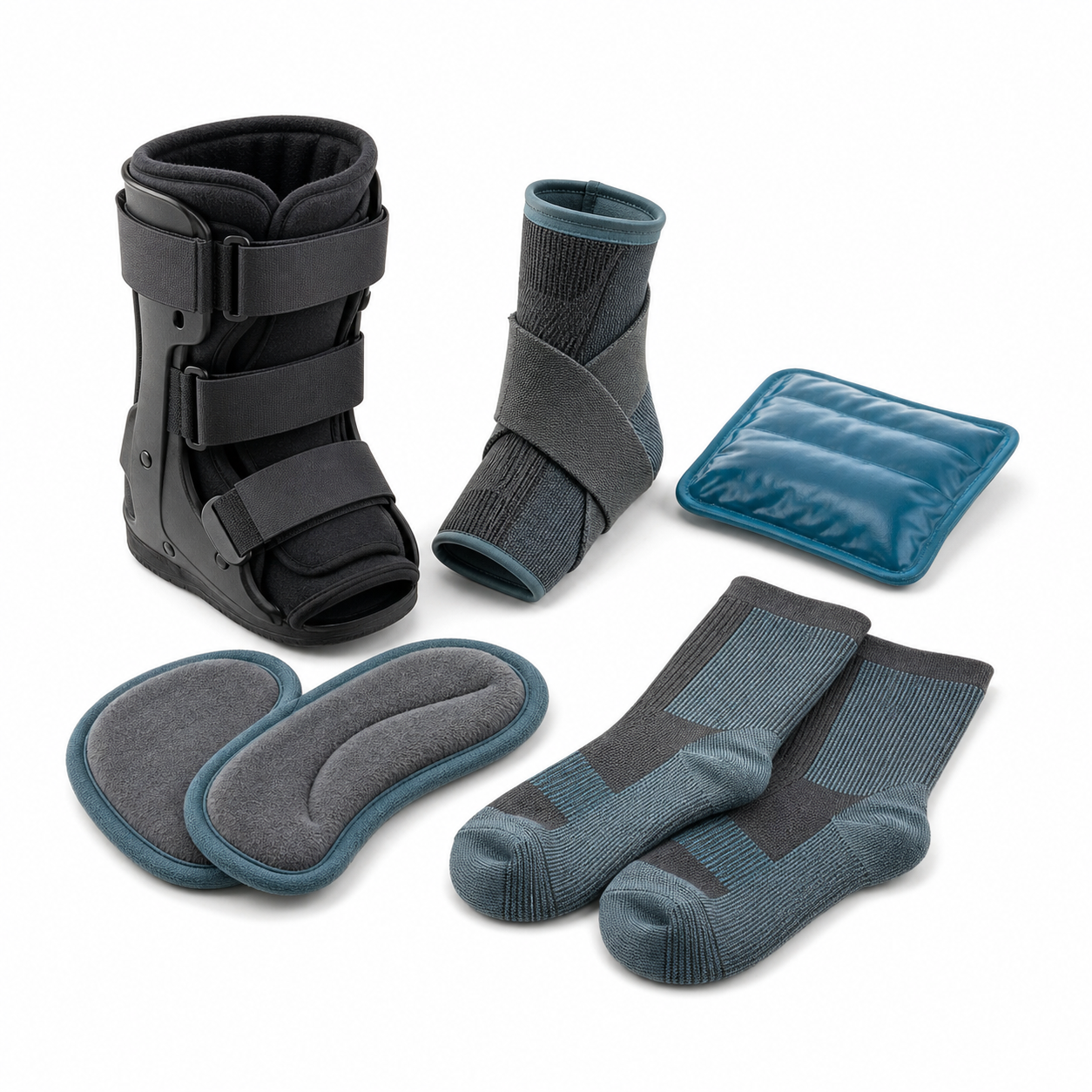
City recovery problems usually show up in repeatable places: the bedroom, bathroom, entryway, car, stairs, and the spot where deliveries land.
Stage this before you need it. Recovery gets easier when the next move is obvious and the product is already where your body expects it to be.
Stage this before you need it. Recovery gets easier when the next move is obvious and the product is already where your body expects it to be.
Stage this before you need it. Recovery gets easier when the next move is obvious and the product is already where your body expects it to be.
Stage this before you need it. Recovery gets easier when the next move is obvious and the product is already where your body expects it to be.
Small accessories can make swelling control, boot wear, and short walks easier to manage.
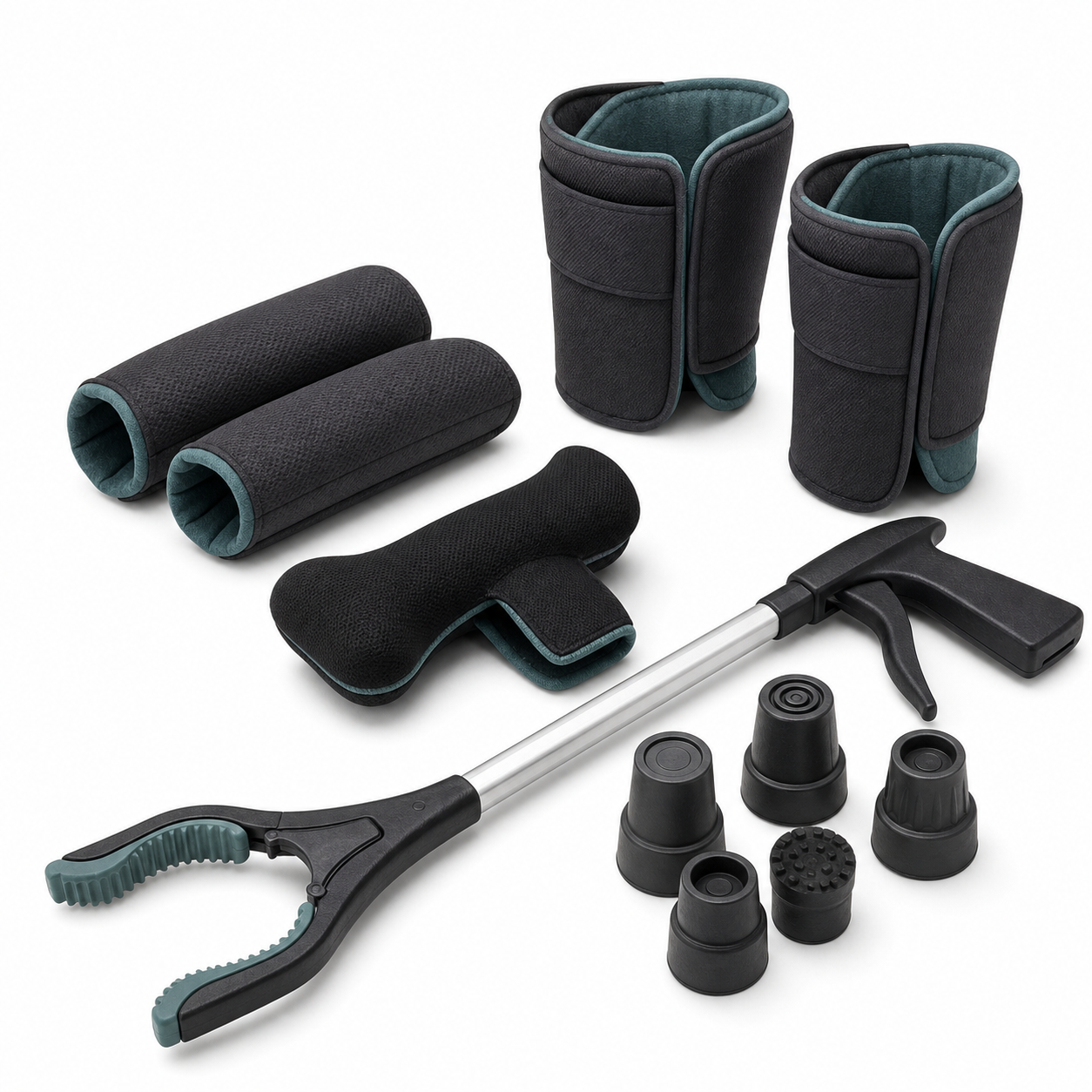
Crutch pads, cane grips, reachers, and non-slip tips can make short-term mobility less frustrating.
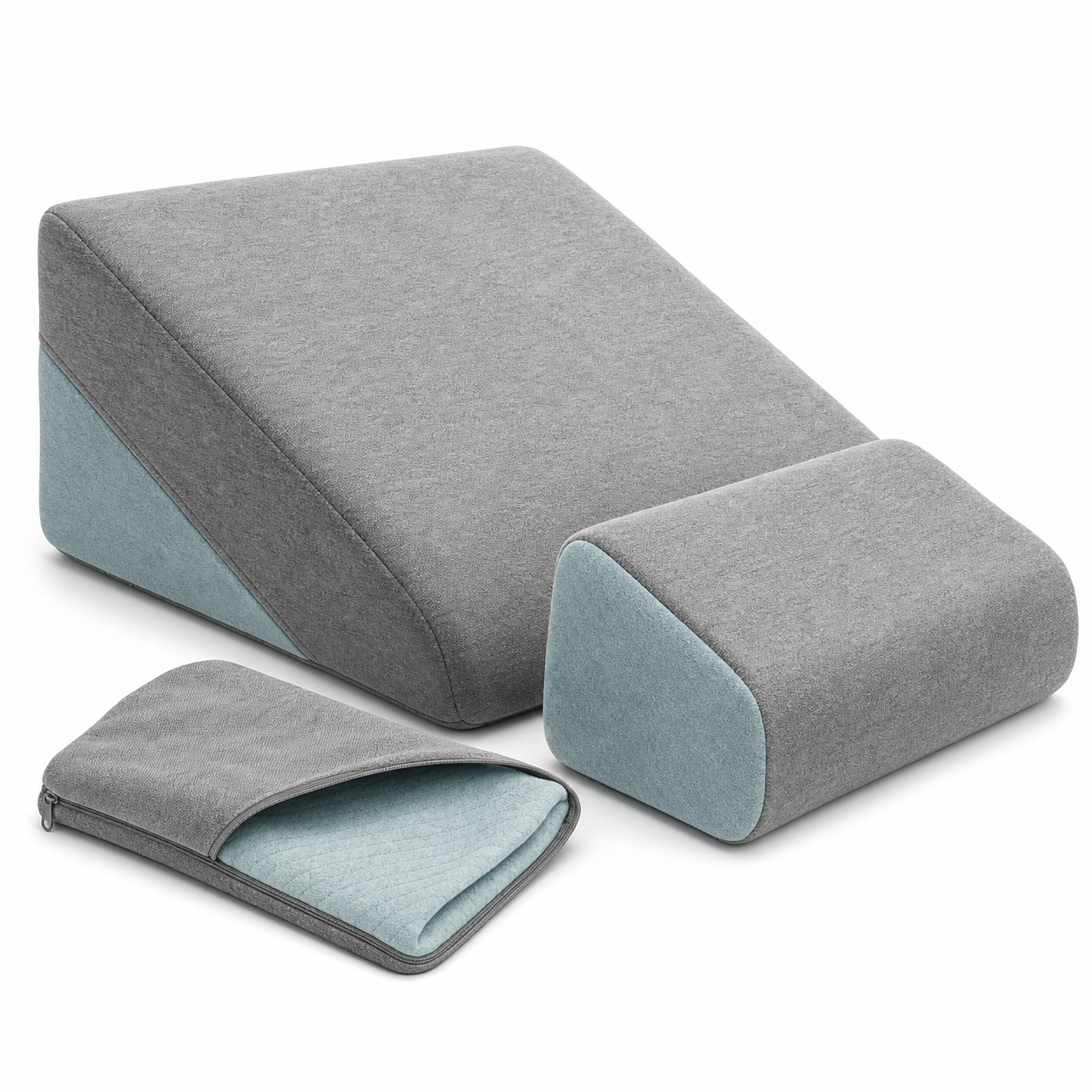
Elevation and side support can make a couch, bed, or recliner feel more manageable while you rest.
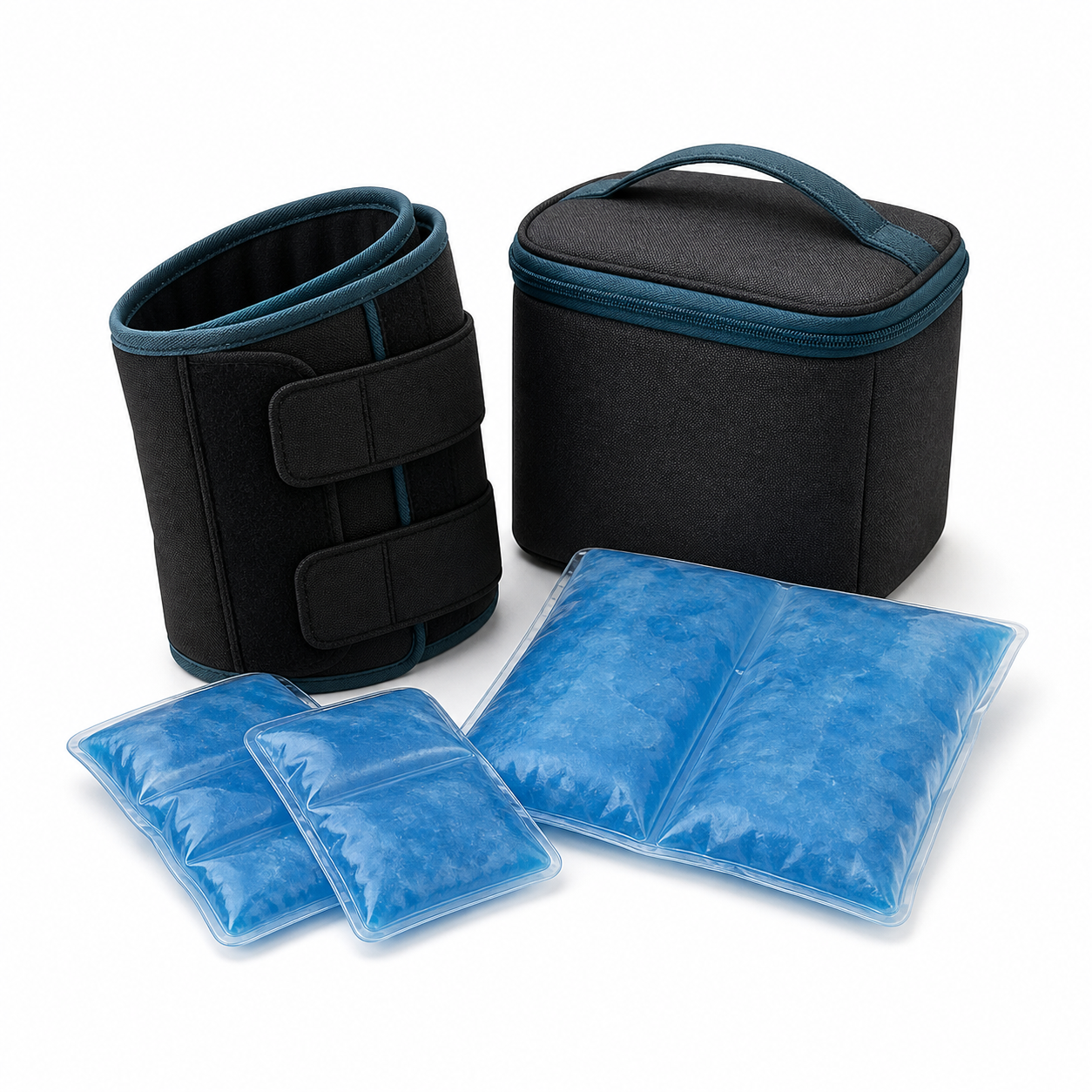
Flexible cold packs and soft wraps are easier to use consistently than loose ice bags.
A helpful ankle sprain comfort guide for the first days at home, with red flags and practical gear ideas.