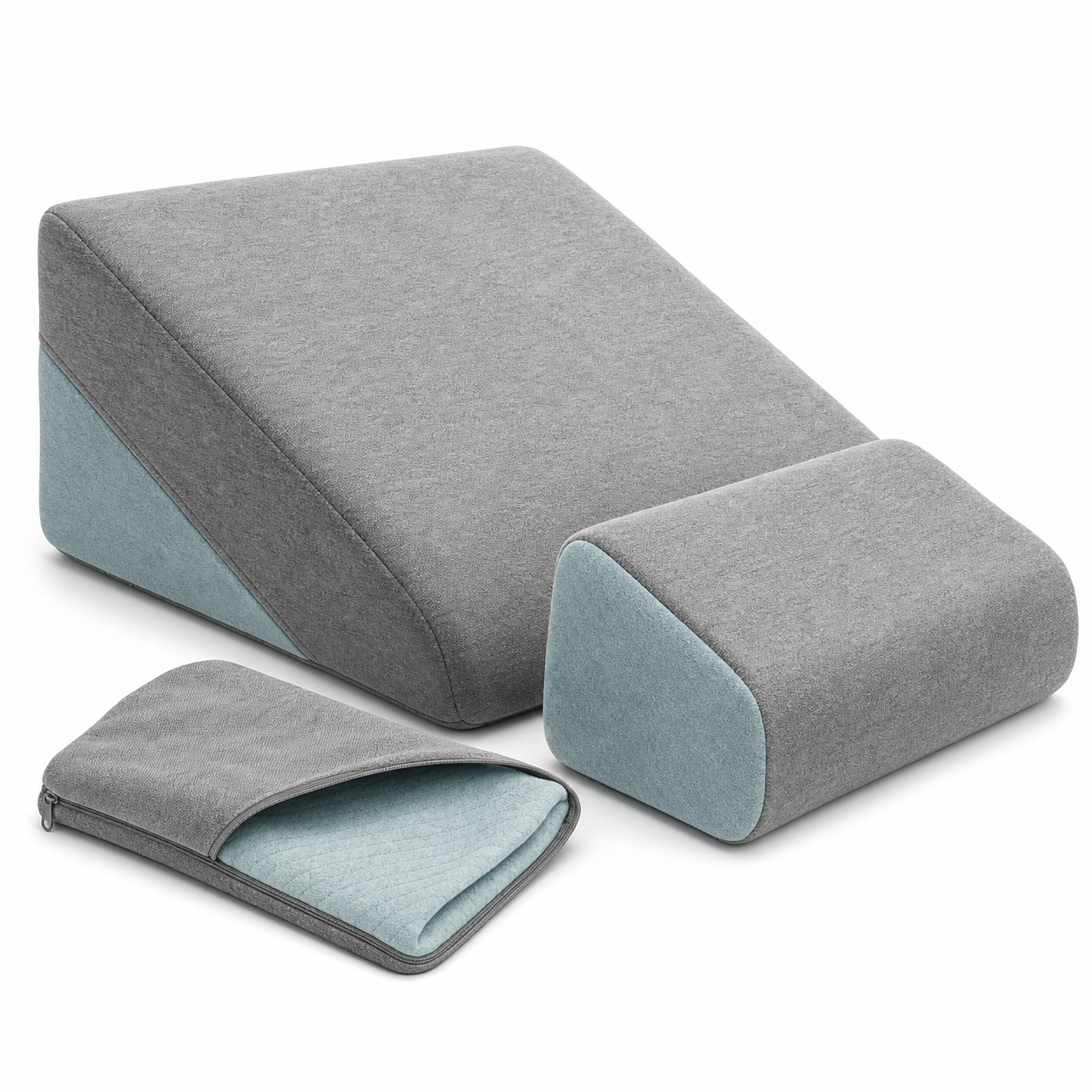
Positioning Wedge Pillows
Elevation and side support can make a couch, bed, or recliner feel more manageable while you rest.
Practical comfort kits, product checklists, and human-written recovery guides for the days when a couch, bathroom, or quick errand suddenly needs a plan.
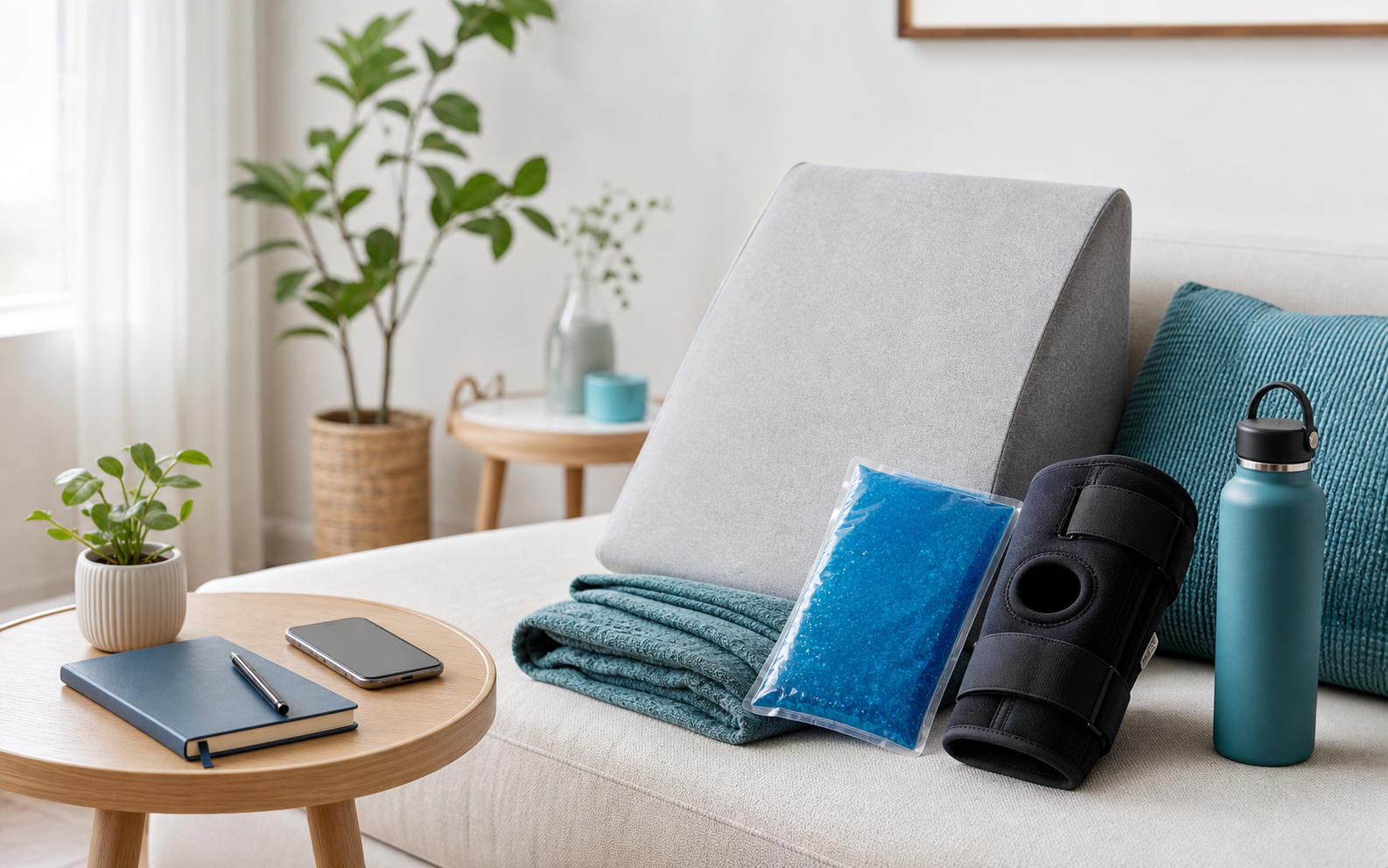
We focus on safer routines, clearer buying decisions, and products that solve real home friction.
Unbranded product visuals made for this site, not copied store photos.
Shop links open current Amazon searches so you can compare options yourself.
Injury Comfort is an editorial shopping and planning resource, not medical advice. Always follow your clinician's instructions, especially after surgery, a fracture, a head injury, numbness, worsening pain, fever, or any symptom that feels urgent.
Each guide explains what the product can help with, what to measure before buying, and what to avoid.
Elevation and side support can make a couch, bed, or recliner feel more manageable while you rest.
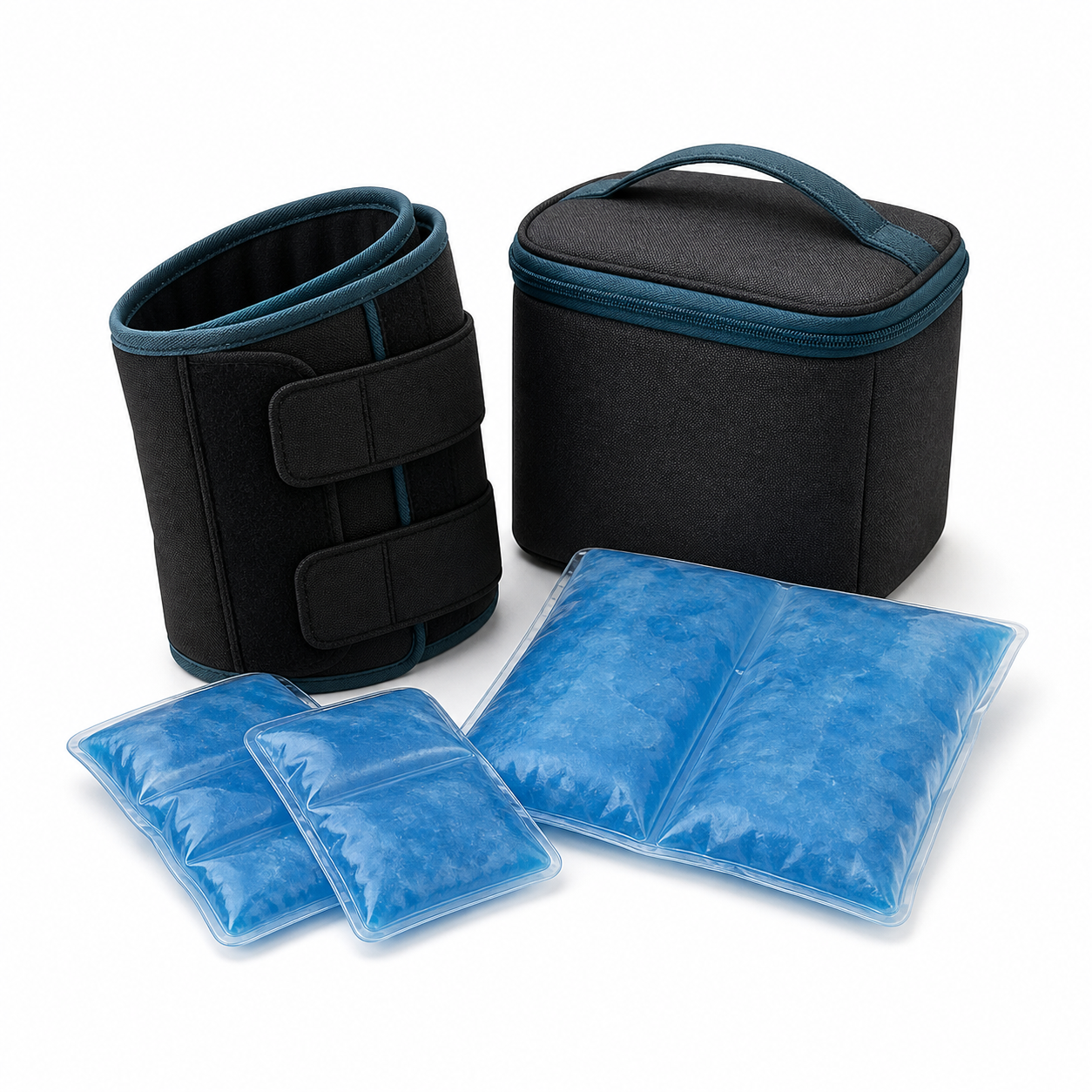
Flexible cold packs and soft wraps are easier to use consistently than loose ice bags.
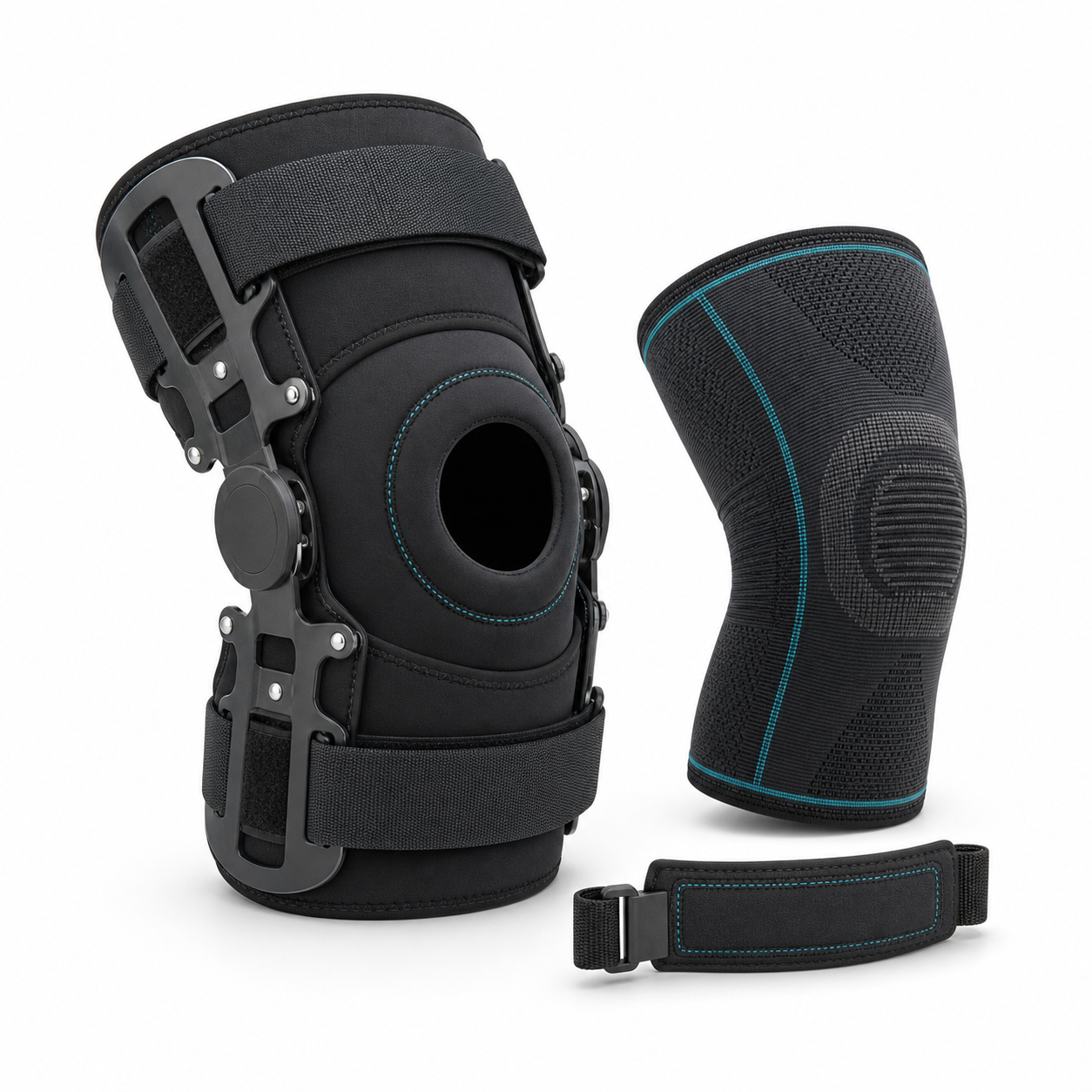
The right support can make daily movement feel more controlled, but fit and clinician guidance matter.
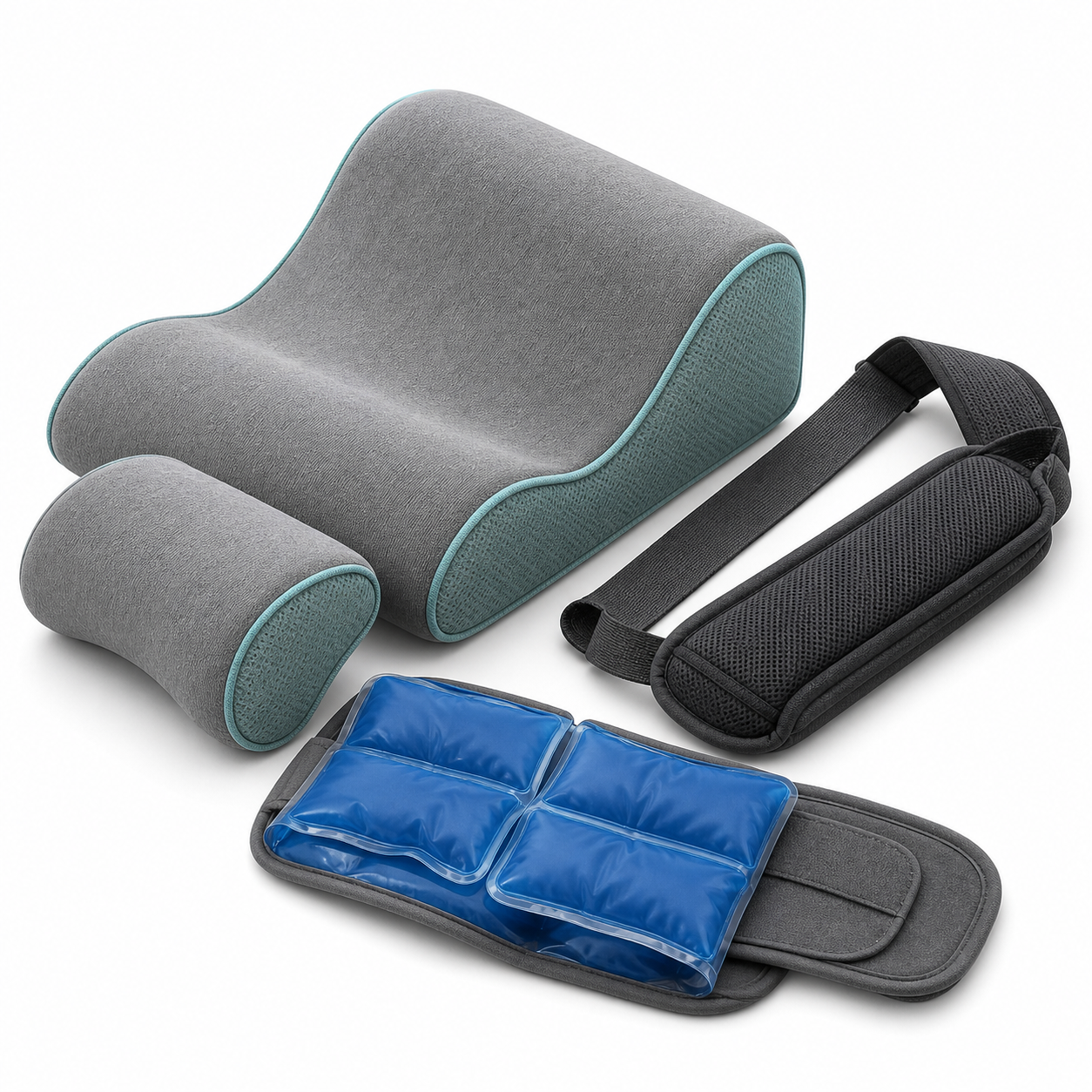
Small pillows, strap pads, and cold wraps can reduce the number of awkward adjustments at night.
You do not need a closet full of gadgets. You need a place to rest, a safe route to move, a bathing plan, and the right comfort tools within reach.
Choose one rest station with elevation, water, charger, and instructions.
Use short, intentional sessions and products with safer fit or shutoff features.
Clear walking routes, stage shoes, and make mobility aids easier to control.
Remove slip risks and measure before buying shower or cast-cover gear.
Sleeping, showering, icing, moving, and working are where most people need help. These guides stay practical and readable.
A plain-language guide to setting up pillows, cold packs, knee support, and safer walking routes after a knee injury.
Shoulder sleep positioning ideas, sling comfort tips, and small products that reduce night-time friction.
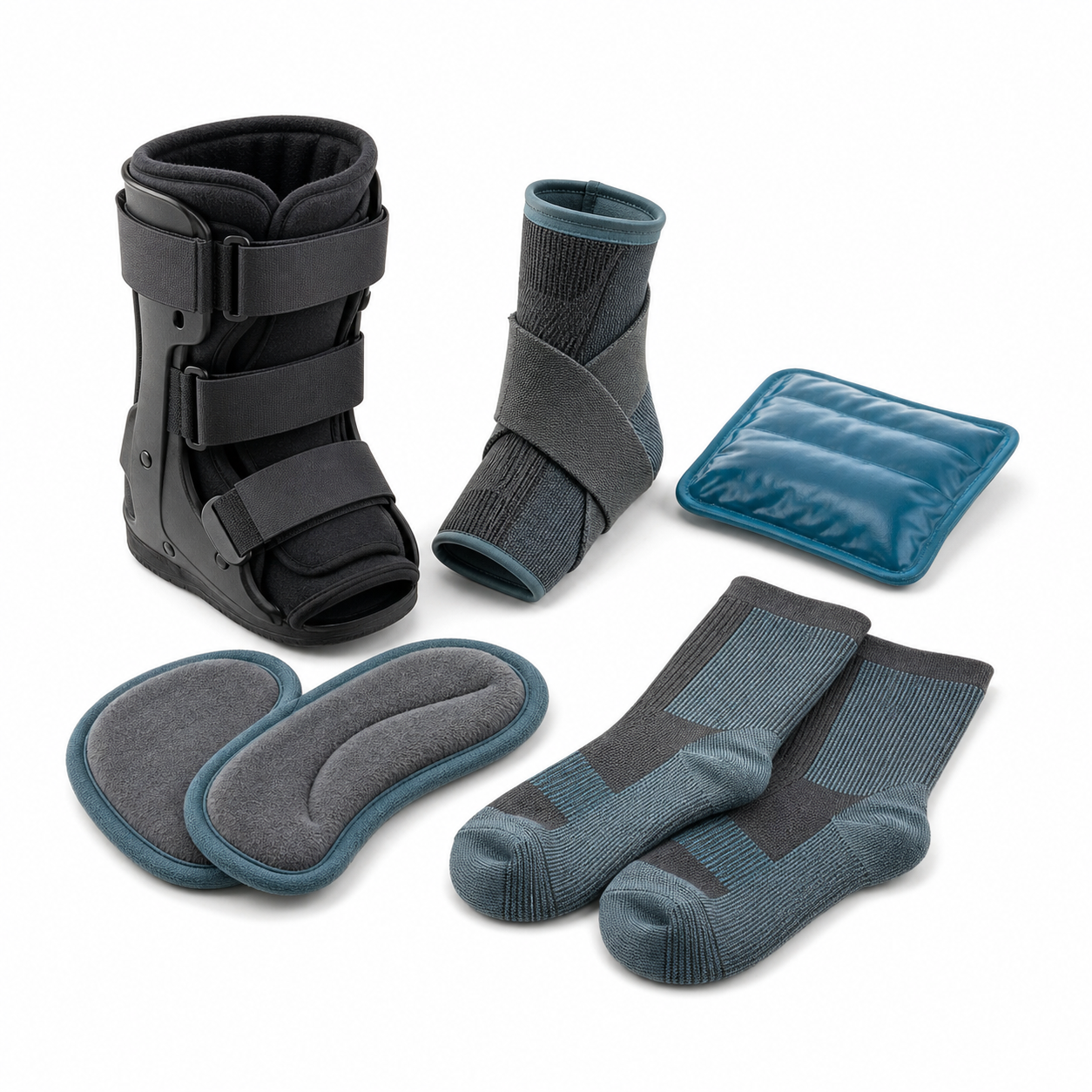
A helpful ankle sprain comfort guide for the first days at home, with red flags and practical gear ideas.
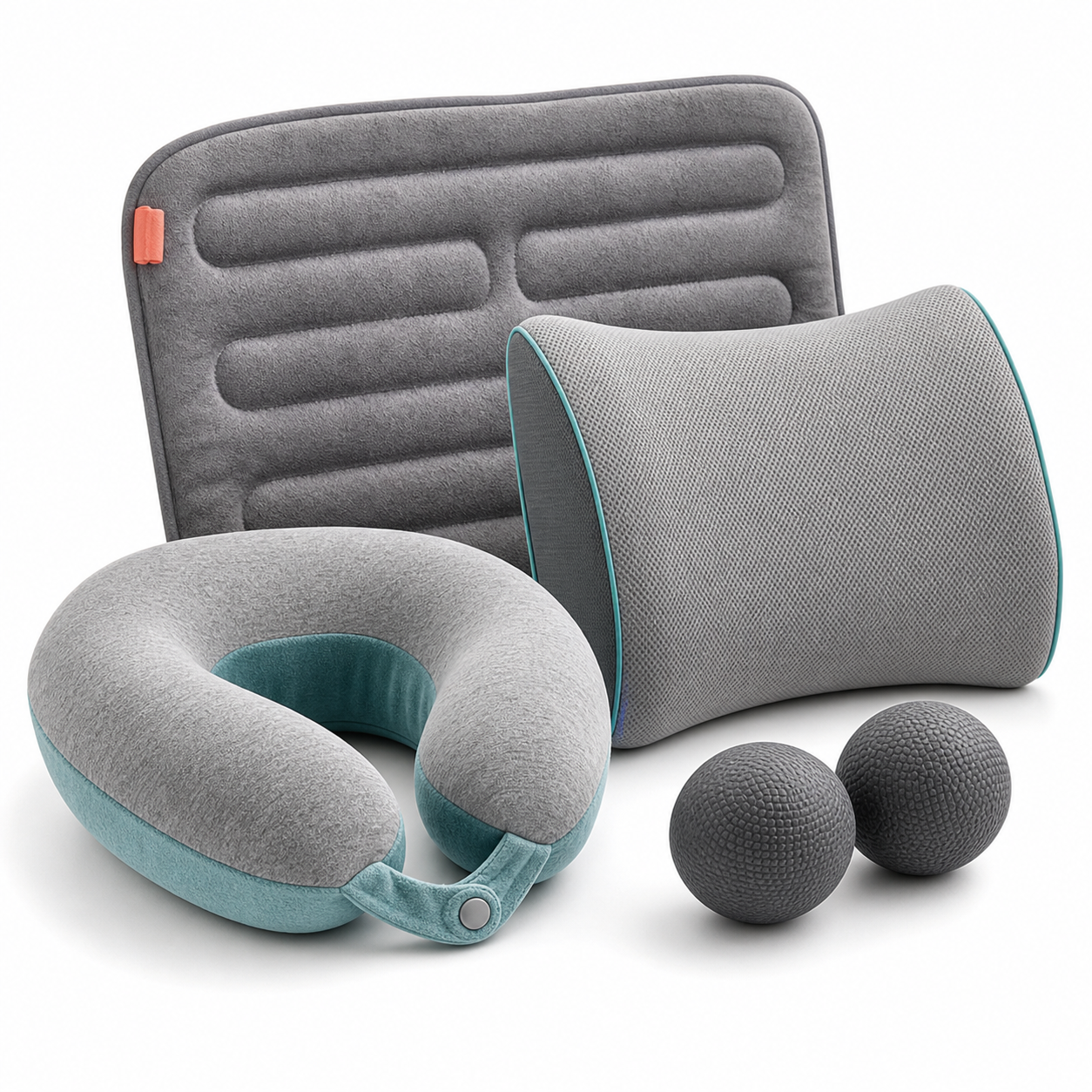
A practical guide to making home and desk time more comfortable during back pain flare-ups.
Every article is written for someone trying to make their home easier today, with clear product links and safety notes.
A plain-language guide to setting up pillows, cold packs, knee support, and safer walking routes after a knee injury.
Read the guide
Shoulder sleep positioning ideas, sling comfort tips, and small products that reduce night-time friction.
Read the guide
A helpful ankle sprain comfort guide for the first days at home, with red flags and practical gear ideas.
Read the guideRecovery in a New York walk-up is not the same as recovery through a Phoenix summer or a Seattle rainy entryway.
Apartment stairs, elevators, narrow bathrooms, and delivery timing make recovery planning in New York its own project.
Car trips, warm weather, and single-level layouts shape a practical Los Angeles recovery kit.
Cold weather, building entries, and winter sidewalks can make balance and boot comfort more important.
Humidity, driving, and longer errands make breathable supports and planned rest stops especially useful.
Extreme heat changes the comfort equation for braces, sleeves, and outdoor movement.
Rowhomes, stoops, and tight bathrooms reward planning before a knee, ankle, or shoulder recovery.